Plant pickup: Thursdays 3–7pm · Also by appointment 512.348.7570
— Plant Nursery · Texas-Grown
$3.00
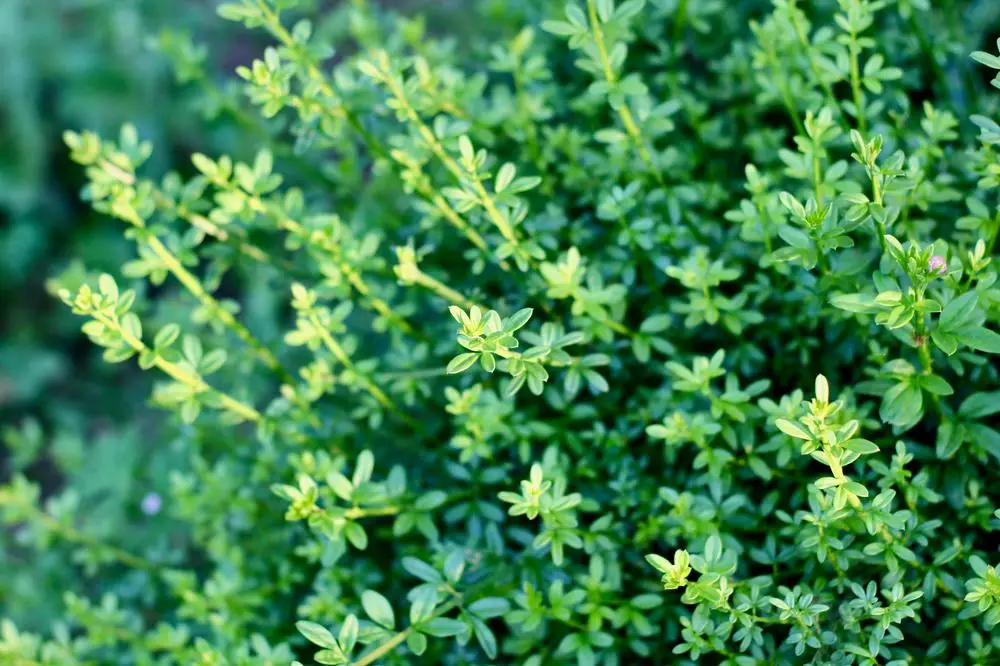
English Thyme (Thymus vulgaris) is the classic culinary thyme with small, aromatic grey-green leaves and a robust, earthy flavor essential in Mediterranean cooking, roasts, soups, and herb blends. A perennial in Austin’s climate, it forms a tidy, semi-woody shrub and produces small lavender-pink flowers that attract pollinators.
At Flying Rabbit Farm, our English Thyme transplants are grown for strong root development and flavorful, productive growth suited to Central Texas conditions.

Out of stock
Low to moderate water needs
Drought-tolerant once established
Allow soil to dry between waterings
Light feeding in early spring with balanced organic fertilizer
Avoid excess nitrogen; reduces essential oil concentration and flavor
Shear by one-third after flowering to prevent woodiness
Remove dead wood in late winter or early spring
Replace plants every 3-4 years as they become too woody
Root rot in heavy or waterlogged soil
Spider mites in drought conditions
Fungal leaf spots in high humidity
Amend clay soils with coarse sand and compost to improve drainage
Plant in raised beds or well-drained areas
Water sparingly once established; one of the most drought-tolerant herbs
Harvest regularly to keep plants productive and compact
New growth and flowering begins; excellent time to transplant
Harvest lightly until established
Tolerates heat well; reduce watering
Monitor for spider mites during drought stress
Resumes vigorous growth; good time for fall planting
Evergreen in Austin; hardy to about 0 F
Fall through early spring for best establishment
Spring planting also successful
Ideal soil temperatures: 60-70 F
Full sun
Minimum 6 hours daily
12-18 inches apart
Allows for mature spread and airflow
Well-draining, moderately fertile soil
Tolerates lean, rocky, or sandy soils
Poor drainage leads to root rot
Water thoroughly at planting
Maintain slight moisture until established
Reduce once roots are established
Thyme is generally considered non-toxic to:
However:
Concentrated thyme oil may cause mild skin irritation.
Consult a veterinarian if large quantities are consumed.