Plant pickup: Thursdays 3–7pm · Also by appointment 512.348.7570

— · Texas-Grown

Purple Coneflower

$3.00


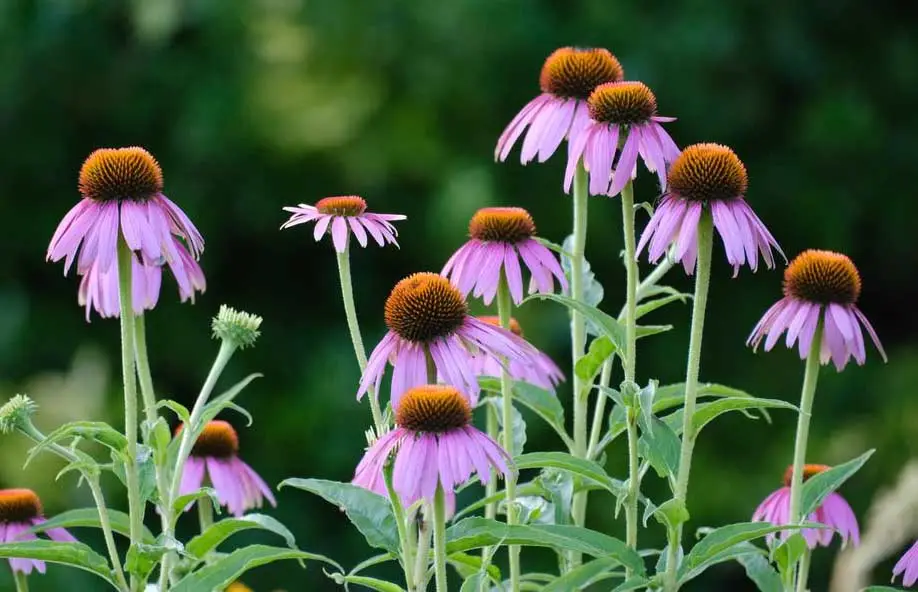
Purple Coneflower (Echinacea purpurea) is a native North American perennial beloved for its large, purple-pink daisy-like blooms with raised orange-bronze centers. One of the top pollinator plants for Central Texas, it draws butterflies, bees, and goldfinches while tolerating heat, drought, and poor soils. It is excellent for naturalistic plantings, cottage gardens, and cutting gardens.

At Flying Rabbit Farm, our Purple Coneflower transplants are grown for strong root development and reliable bloom performance in Austin’s challenging climate.

8 in stock

Care Instructions
Watering

Moderate water needs; drought-tolerant once established
Deep, infrequent watering preferred
Avoid overhead watering

Fertilizing

Light application of balanced organic fertilizer in spring
Overfertilizing promotes foliage at the expense of blooms

Pruning & Maintenance

Deadhead to prolong blooming
Leave seed heads through winter for bird foraging and self-seeding
Cut back to base in late winter before new growth emerges
Divide clumps every 3-4 years to maintain vigor

Common Issues

Powdery mildew in humid conditions
Aster yellows (phytoplasma; remove infected plants)
Crown rot in poorly draining soils

Well-suited to Austin’s climate; one of the most reliable native-adapted perennials
Amend heavy clay with compost for improved drainage
Leave seed heads intact through winter to feed goldfinches
Successful in both irrigated and rain-fed gardens once established

Seasonal Notes
Spring

New growth emerges from crown; excellent transplant window
May not bloom heavily in first year while establishing

Summer

Peak bloom June through August; thrives in Central Texas heat
Monitor for powdery mildew during humid periods

Fall

Continues blooming until frost; seed heads develop for wildlife

Winter

Dies back to crown; re-emerges reliably each spring

Best Time to Plant in Austin

Fall or early spring
Ideal soil temperatures: 65-75 F

Sun Requirements

Full sun to partial shade
Best blooming in full sun

Spacing

18-24 inches apart
Allows good airflow and mature clump development

Soil

Well-draining, moderately fertile soil
Tolerates clay, rocky, or sandy soils once established
pH 6.0-7.0

Watering After Planting

Water deeply immediately after transplanting
Keep evenly moist for the first 2-4 weeks
Reduce once established

  • Black-Eyed Susan
  • Gaillardia
  • Salvia
  • Yarrow
  • Zinnias
  • Lantana
  • Wild Bergamot
  • Oregano

Echinacea is generally considered non-toxic to:

  • Dogs
  • Cats
  • Horses

However:
Large quantities may cause mild gastrointestinal upset.
Consult a veterinarian if significant ingestion occurs.

You might also like


Login