Plant pickup: Thursdays 3–7pm · Also by appointment 512.348.7570
— Plant Nursery · Texas-Grown
$4.00 Original price was: $4.00.$2.00Current price is: $2.00.
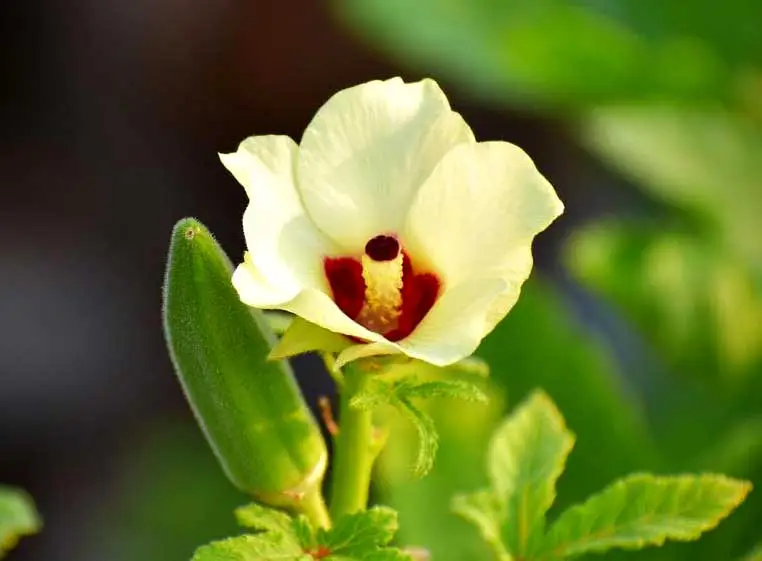
Clemson Spineless Okra is an All-America Selections winner and the most widely grown okra variety in the South. It produces abundant, smooth, spineless pods on vigorous 4-6 ft plants. A staple of Southern cooking and an exceptional performer in Central Texas’s intense summer heat, it thrives when most vegetables have given up. Pods are tender and flavorful when harvested at 3-4 inches.
At Flying Rabbit Farm, our Clemson Spineless Okra transplants are grown for strong root systems and productive, heat-tolerant performance.
33 in stock
Moderate water needs
Deep watering 1-2 times weekly once established
Drought-tolerant but produces more prolifically with consistent moisture
Balanced organic fertilizer at planting
Side-dress with compost when plants reach 12 inches
High nitrogen after flowering reduces pod production
Harvest pods at 3-4 inches every 1-2 days to maintain productivity
Leaving pods to mature stops plant production
Wear gloves; leaves and stems can irritate skin despite spineless pods
Corn earworm
Stink bugs
Root-knot nematodes (amend soil with compost to manage)
Powdery mildew late in the season
One of the best summer vegetables for Austin; thrives in brutal heat
Do not plant too early; soil must be warm or plants stall
Harvest daily during peak production – pods grow fast in heat
Cut plants back by half in August for a second flush of production
Do not transplant before mid-April; cold soils cause stall or rot
Fast growth begins once soil warms
Peak production in full summer heat
Harvest every 1-2 days to keep plants productive
Production continues until first frost
Cut back mid-August for renewed fall flush
Mid-April through June
Ideal soil temperatures: 65-85 F; okra germinates and establishes best in warm soil
Full sun
Minimum 6-8 hours daily
18-24 inches apart in rows 3 feet apart
Allows airflow and ease of harvest
Well-draining, fertile soil
Tolerates clay soils better than most vegetables
pH 6.0-7.0
Water deeply immediately after transplanting
Keep evenly moist for first 2-3 weeks during establishment

Okra is generally considered non-toxic to:
However:
The fuzzy leaves and stem surfaces may irritate skin or mouth.
Feed cooked okra only in small quantities as an occasional treat.