Plant pickup: Thursdays 3–7pm · Also by appointment 512.348.7570

— · Texas-Grown

Salvia, Hot Lips

$4.00


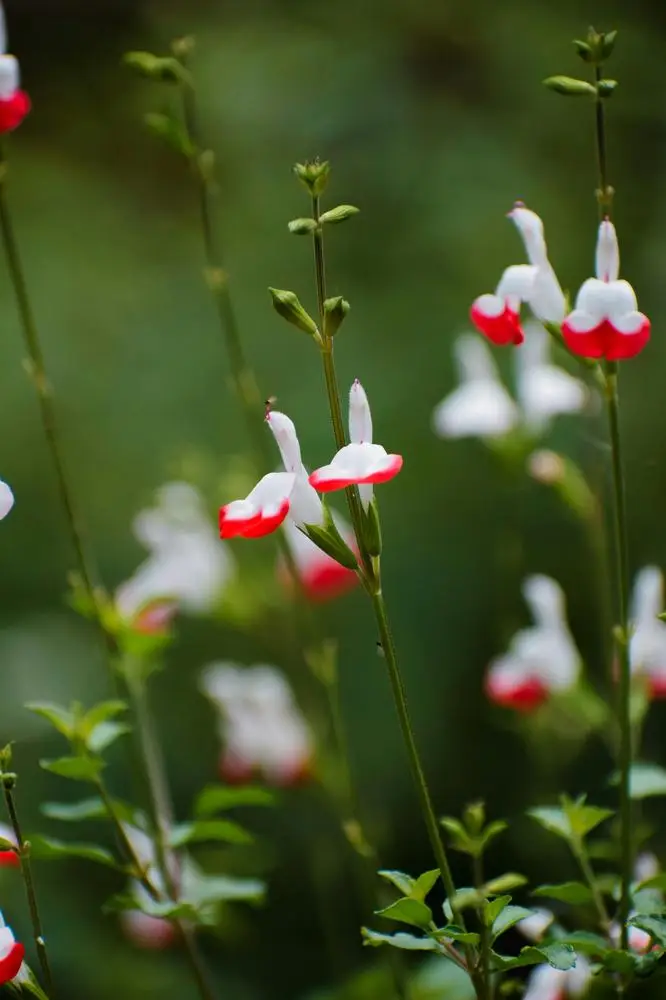
Salvia ‘Hot Lips’ (Salvia microphylla) is a stunning perennial salvia producing charming bicolor red-and-white flowers – sometimes all red or all white depending on temperature – on graceful, arching stems. Blooming repeatedly from spring through frost, it is an exceptional hummingbird and butterfly plant well-adapted to Central Texas gardens with good drainage.

At Flying Rabbit Farm, our Salvia Hot Lips transplants are grown for strong root systems and reliable repeat-blooming performance suited to Austin’s climate.

Care Instructions
Watering
Low to moderate water needs once established Drought-tolerant; deep, infrequent watering preferred
Fertilizing
Light application of balanced organic fertilizer in spring Minimal feeding needed in typical Austin soils
Pruning & Maintenance
Cut back by one-third to one-half after each bloom flush Prune hard in late winter to 6-12 inches before new growth Remove spent flower spikes to encourage rebloom
Common Issues
Root rot in poorly draining soils Powdery mildew in humid, shaded conditions Spider mites during extended drought
Excellent performer in Austin; heat- and drought-tolerant once established Fall planting is strongly recommended for best establishment before summer stress Color pattern changes (red-and-white vs. all red or all white) are temperature-dependent and normal Cut back hard in February for flush of new growth and blooms
Seasonal Notes
Spring
New growth and first bloom flush; excellent transplanting window
Summer
Continues blooming in heat; reduce watering
Fall
Second major bloom period; most dramatic display Excellent planting window
Winter
May die back in hard freezes; regrows from roots in spring
Best Time to Plant in Austin
Fall (preferred) or spring Ideal soil temperatures: 55-70 F
Sun Requirements
Full sun to partial shade Best blooming in full sun; tolerates afternoon shade
Spacing
24-36 inches apart Shrubby habit; needs room to develop
Soil
Well-draining, moderately fertile soil Tolerates lean, rocky soils Poor drainage causes root rot
Watering After Planting
Water deeply at transplanting Maintain even moisture for first 4-6 weeks

Rosemary Lavender Gaillardia Echinacea Lantana Yarrow Agastache Oregano
Salvia is generally considered non-toxic to: Dogs Cats Horses However: Some salvia species may cause mild digestive upset if consumed in large quantities. Contact a veterinarian if significant ingestion occurs.

You might also like


Login