Plant pickup: Thursdays 3–7pm · Also by appointment 512.348.7570

— · Texas-Grown

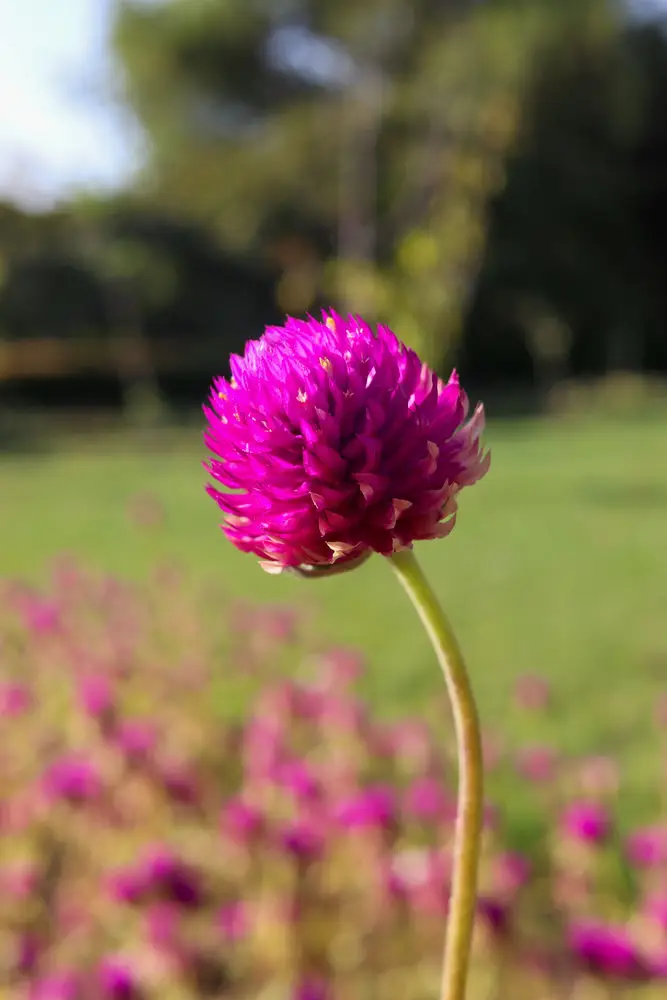
Gomphrena, Little Grapes Amaranth

$17.00


Mature Plant Size: 8-12″x12-18″

Little Grapes Gomphrena (Gomphrena decumbens) is a low, spreading Texas native with tight, grape-cluster-like purple-pink flower heads held above sprawling gray-green foliage — a tough, long-blooming groundcover for the hottest, driest parts of the garden.

At Flying Rabbit Farm, our Little Grapes Gomphrena transplants are grown for spreading habit and heavy bloom suited to Austin’s rock gardens and xeric borders.

2 in stock

Care Instructions
Watering

Low water needs once established
Drought tolerant; established plants need little supplemental water beyond rainfall

Fertilizing

Little to no fertilizer needed

Pruning & Maintenance

Shear lightly after bloom flushes to tidy and encourage rebloom
Cut back in late winter before new growth emerges

Common Issues

Generally pest- and disease-free
Root rot in poorly draining or overwatered soil

A low-water, low-maintenance choice well suited to Austin’s alkaline clay soils once established
An exceptionally tough, low-growing Texas native ideal for the hottest, rockiest spots where little else thrives

Seasonal Notes
Spring

Best planting window; establishes before summer heat

Summer

Continuous bloom through the hottest months with minimal water

Fall

Second good planting window

Winter

May die back in a hard freeze but is root-hardy and returns in spring

Best Time to Plant in Austin

Fall or spring, avoiding the height of summer heat and hard freezes
Ideal soil temperatures: 60-85 F

Sun Requirements

Full sun
Minimum 6-8 hours daily

Spacing

12-18 inches apart

Soil

Well-draining soil; tolerates poor, rocky, or alkaline soils
pH 6.5-8.5

Watering After Planting

Water deeply at transplanting
Water regularly for the first growing season to establish roots, then reduce

  • Zexmenia
  • Blackfoot Daisy
  • Damianita
  • Salvia

Gomphrena is generally considered non-toxic to:

  • Dogs
  • Cats
  • Horses

Not listed as toxic by the ASPCA.

You might also like


Login

Help us Grow!