Plant pickup: Thursdays 3–7pm · Also by appointment 512.348.7570

— · Texas-Grown

Lantana, Ham And Eggs

$4.00


Mature Plant Size: 2-3’x3-4′

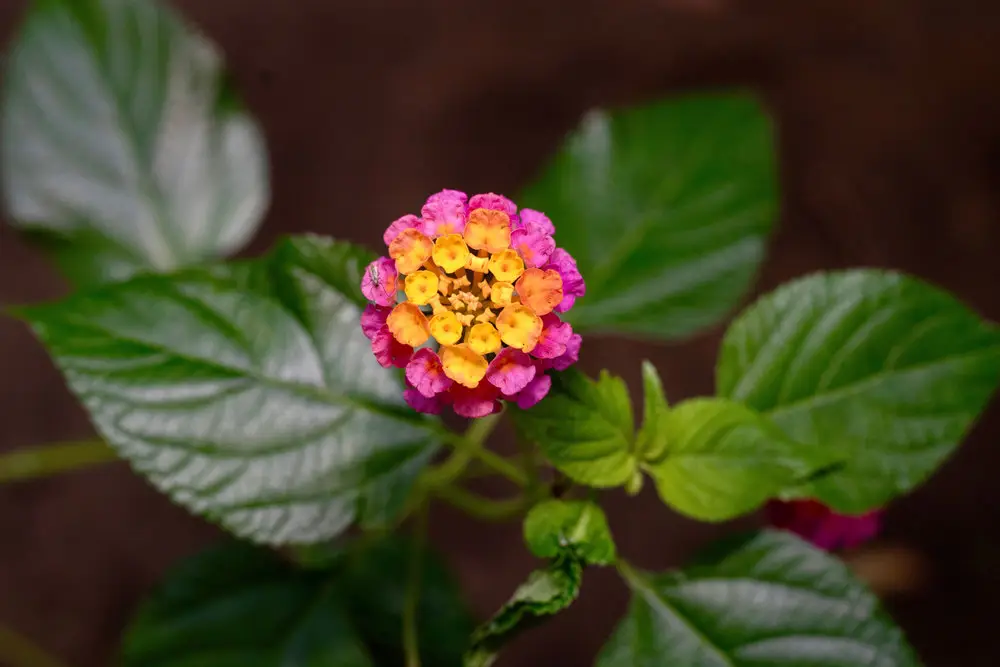
Ham and Eggs Lantana (Lantana camara) is a shrubby, spreading variety whose clustered blooms open yellow and age through orange to red — resulting in a single flower head displaying all three colors at once — over a long, heat-defying bloom season.

At Flying Rabbit Farm, our Ham and Eggs Lantana transplants are grown for vigorous, spreading growth and heavy multicolor bloom suited to Austin’s hottest beds.

10 in stock

Care Instructions
Watering

Low water needs once established
Drought tolerant; established plants need little supplemental water beyond rainfall

Fertilizing

Little to no fertilizer needed

Pruning & Maintenance

Shear lightly in early spring to remove winter dieback and shape
Deadhead spent blooms to encourage continuous flowering

Common Issues

Generally pest- and disease-free
Root rot in poorly draining or overwatered soil

A low-water, low-maintenance choice well suited to Austin’s alkaline clay soils once established
Extremely heat and drought tolerant once established; blooms almost continuously through Austin’s hottest months

Seasonal Notes
Spring

Best planting window; establishes before summer heat

Summer

Peak bloom season; a strong butterfly and pollinator draw

Fall

Second good planting window

Winter

Dies back to the ground in a hard freeze in most Austin winters, but is root-hardy and returns vigorously in spring

Best Time to Plant in Austin

Fall or spring, avoiding the height of summer heat and hard freezes
Ideal soil temperatures: 60-85 F

Sun Requirements

Full sun
Minimum 6-8 hours daily

Spacing

3-4 feet apart

Soil

Well-draining soil; tolerates poor, rocky, or alkaline soils
pH 6.5-8.5

Watering After Planting

Water deeply at transplanting
Water regularly for the first growing season to establish roots, then reduce

  • Salvia
  • Esperanza
  • Zexmenia
  • Plumbago

Lantana is toxic to:

  • Dogs
  • Cats
  • Horses

All parts of the plant, especially the green (unripe) berries, contain triterpenoid compounds that can cause liver damage, photosensitivity, vomiting, and lethargy. Keep pets from grazing on foliage or fallen berries.

You might also like


Login

Help us Grow!