Plant pickup: Thursdays 3–7pm · Also by appointment 512.348.7570
— Plant Nursery · Texas-Grown
$10.00
Mature Plant Size: 2-3’x3-4′
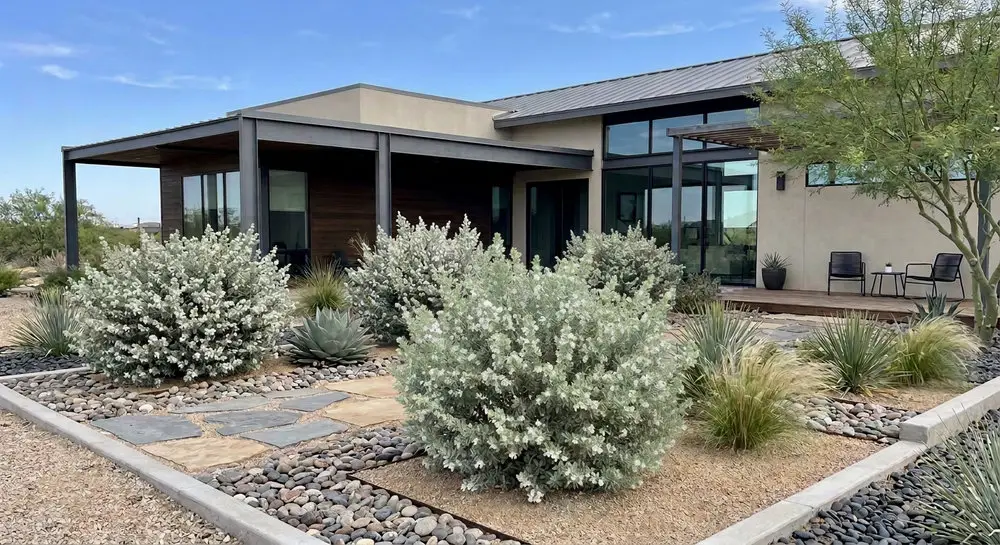
White Sage (Salvia apiana) is a silvery, evergreen sage native to the coastal ranges of Southern California and Baja, forming a dense mound of fuzzy, narrow, intensely aromatic gray-white leaves. In spring, tall flower wands rise 2 to 4 feet above the plant, bearing tiny white flowers dotted with lavender that bees love. The leaves are highly fragrant and are the sage traditionally used for incense and smudging.
Our White Sage transplants are grown in fast-draining mix for strong root development, the key to success with this dry-climate plant in Austin’s humid conditions.
1 in stock
Very low water needs once established
Prefers dry conditions, especially in winter; saturated soil can blacken stems and kill the plant
No fertilizer needed
Clean up dead growth in early spring before new growth starts
Hollow stems break easily; plant away from foot traffic and hose drag
Trim spent flower stalks after bloom
Root rot and crown rot in wet or heavy soil
Struggles in summer humidity and prolonged wet weather
Slow to reach mature size, sometimes up to 3 years
The most challenging plant on this list for Austin: it is a desert-chaparral native that dislikes humidity and wet clay
Plant in a raised bed or large pot with sharply draining mix, in the hottest, sunniest, best-drained spot you have
Sources rate it hardy through roughly USDA Zones 7-11, so cold is not the concern; wet feet are
Best time for early-season establishment; flower wands rise in late April through early June
Water sparingly; humidity and heavy rain are the main risks, so keep the crown dry
Excellent planting window; cooler temperatures allow root establishment before the next summer
Hardy in Austin; keep soil on the dry side and avoid watering in cold, wet weather
Fall (preferred) or early spring
Ideal soil temperatures: 55-75 F
Full sun only
Minimum 8 hours daily; excellent airflow essential
3-4 feet apart
Plants spread slowly; allow for a mature width of 3 feet or more
Very well-draining, lean soil; heavy clay will kill it
Plant in a raised bed, on a slope, or in a large container with cactus/succulent mix
Amend with coarse sand and gravel
pH 6.5-8.0
Water at planting, then let the soil dry between waterings
Never let water stand around the crown
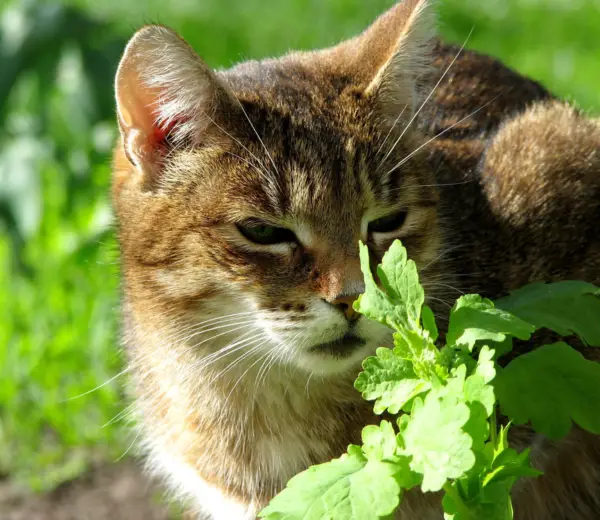
White Sage (Salvia apiana) is not commonly listed by the ASPCA toxicity database, so no verdict is available either way. The ASPCA lists the culinary sage Salvia officinalis as non-toxic to dogs, cats, and horses, but that does not confirm other Salvia species. Concentrated sage essential oils can irritate pets. Keep an eye on pets around any unlisted plant and discourage grazing.