Plant pickup: Thursdays 3–7pm · Also by appointment 512.348.7570

— · Texas-Grown

Lantana, Texas

$10.00


Mature Plant Size: 3-5’x4-5′

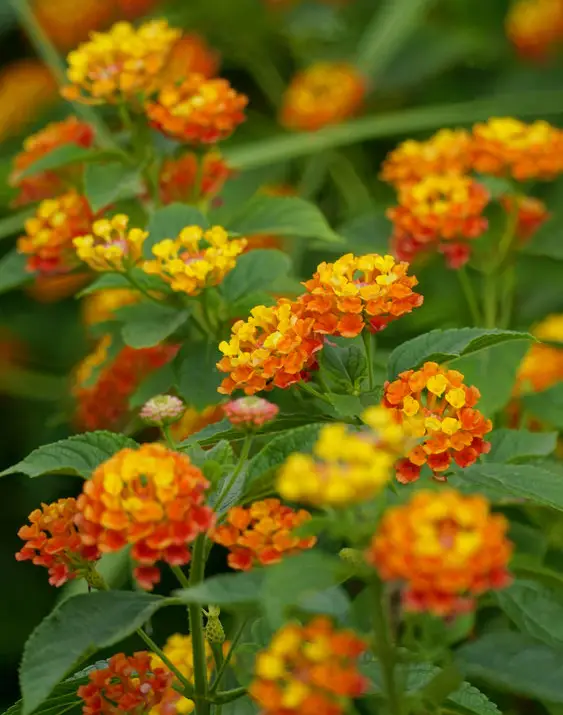
Texas Lantana (Lantana urticoides, formerly L. horrida) is a tough Texas native shrub that blooms from summer until frost. Rounded clusters open yellow and age to orange, so each cluster shows several colors at once above rough, aromatic, dark green leaves. It thrives in heat and drought and is a top butterfly magnet. Note that all parts of the plant are poisonous if eaten.

Our Texas Lantana transplants are grown for strong branching and heavy bloom production suited to Austin’s long, hot summers.

1 in stock

Care Instructions
Watering

Low water needs once established
Deep, infrequent watering is best

Fertilizing

No fertilizer needed; excess nitrogen yields foliage over flowers

Pruning & Maintenance

Cut back in late winter (February) to keep it in bounds
Stems become thorny with age; wear gloves when pruning
Shear lightly in midsummer for fresh bloom

Common Issues

Lace bugs and whiteflies in dry, stressed conditions
Powdery mildew in humid weather
Poor drainage causes root rot

A tough native for Austin that dies back in winter and regrows from the roots in spring
Native to the Blackland Prairie and Edwards Plateau
All parts of the plant are poisonous; plant with care around children and animals

Seasonal Notes
Spring

Cut back before new growth in March; wait to see regrowth

Summer

Heavy bloom; butterflies are constant visitors

Fall

Blooms until first frost (mid-November); berries ripen

Winter

Deciduous; die back after hard freezes; roots are hardy

Best Time to Plant in Austin

Spring through early summer
Ideal soil temperatures: 65-90 F

Sun Requirements

Full sun
Minimum 6-8 hours daily

Spacing

3-4 feet apart
Allows for mature size (3-5 feet tall, 4-5 feet wide); give it room

Soil

Well-draining soil; adapts to clay, limestone, and sand
pH 6.0-8.0

Watering After Planting

Water deeply at planting
Water weekly for the first 4-6 weeks
Very drought tolerant once established

  • Gulf Muhly
  • Salvia Greggii
  • Yellow Bell Esperanza
  • Flame Acanthus
  • Gaillardia / Blanket Flower
  • Rosemary

CAUTION: Lantana is listed by the ASPCA as toxic to dogs, cats, and horses. The toxic principles are pentacyclic triterpenoids; signs include vomiting, diarrhea, labored breathing, and weakness, and liver failure is more common in livestock. All parts of the plant are poisonous. Contact your veterinarian or the ASPCA Poison Control hotline immediately if ingestion is suspected, and plant it out of reach of pets.

You might also like


Login

Help us Grow!