Plant pickup: Thursdays 3–7pm · Also by appointment 512.348.7570

— · Texas-Grown

Kale, Scarlet

$3.00


Mature Plant Size: 14-18″x12-16″
Days to Harvest: 50-60 days

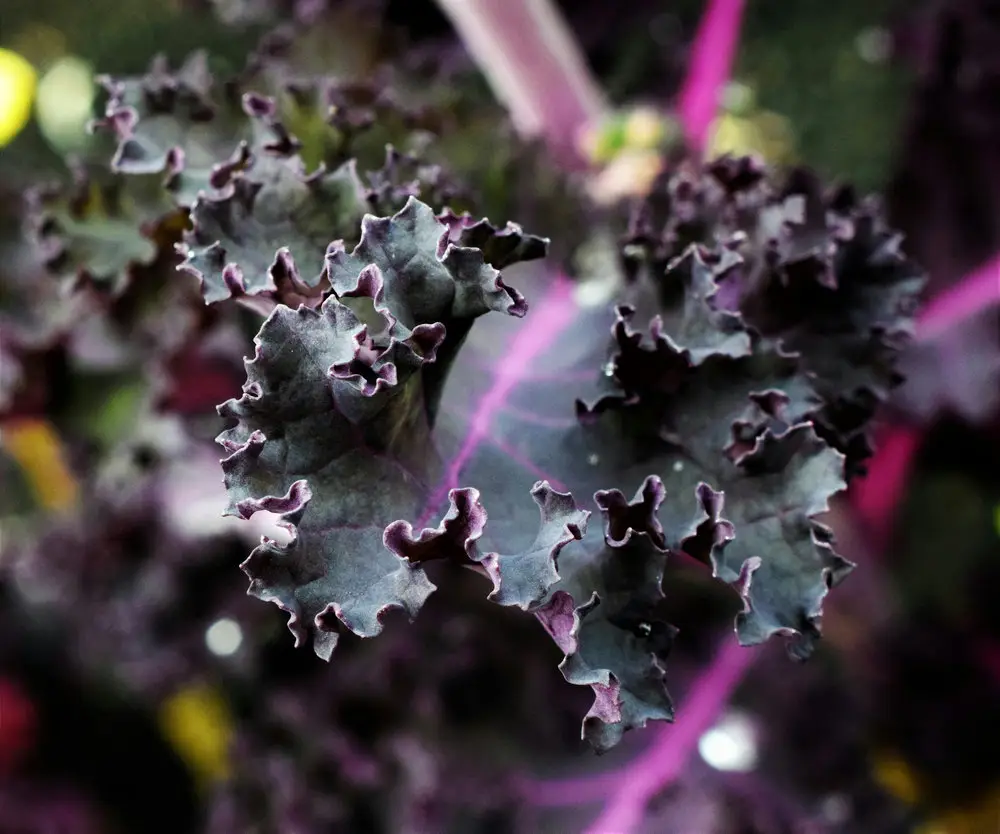
Scarlet Kale is a striking curly-leaved variety whose deep purple-red color intensifies with cold weather, offering the classic frilly kale texture with dramatic color for both the garden bed and the plate.

At Flying Rabbit Farm, our Scarlet Kale transplants are grown for vivid winter color and reliable production through Austin’s cool season.

1 in stock

Care Instructions
Watering

Moderate, consistent watering
More drought tolerant than lettuce once established

Fertilizing

Feed every 3-4 weeks with balanced organic fertilizer for continued leaf production

Pruning & Maintenance

Harvest outer leaves continuously, leaving the center to keep producing

Common Issues

Cabbage worms and loopers
Aphids
Color and sweetness intensify after a light frost

Fall is the primary and most reliable kale season in Austin; cold snaps deepen its purple-red color
Great as both a productive edible and an ornamental accent in mixed cool-season beds

Seasonal Notes
Fall

Primary planting window; grows steadily as temperatures cool

Winter

Excellent cold tolerance; continues producing through frost and light freezes

Spring

Continues from fall plantings until bolting; can also be planted fresh for a shorter run

Summer

Bolts and turns bitter in heat; not recommended

Best Time to Plant in Austin

Fall (September-October) is the primary window; can also be planted in early spring
Ideal soil temperatures: 45-75 F

Sun Requirements

Full sun to part shade
Minimum 5-6 hours daily

Spacing

12-16 inches apart

Soil

Well-draining, fertile soil
Compost-amended beds preferred
pH 6.0-7.5

Watering After Planting

Water deeply at transplanting
Keep evenly moist until established

  • Onions
  • Cabbage
  • Beans
  • Marigold
  • Nasturtium

Kale is generally considered non-toxic to:

  • Dogs
  • Cats
  • Horses

Large quantities fed regularly are best avoided due to its thyroid-affecting compounds, but occasional small amounts are safe.

You might also like


Login

Help us Grow!