Plant pickup: Thursdays 3–7pm · Also by appointment 512.348.7570

— · Texas-Grown

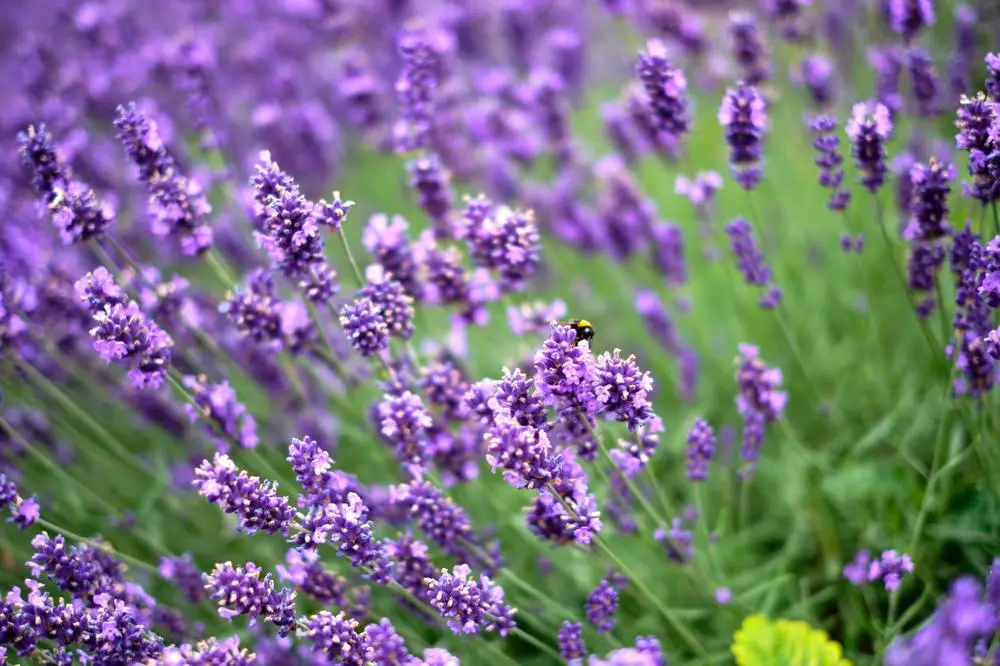
Lavender, English Tall

$4.00


English Tall Lavender (Lavandula angustifolia) is a classic aromatic perennial producing tall spikes of fragrant purple-blue flowers above silver-grey foliage. Prized for culinary use, dried arrangements, sachets, and essential oil production, it is also a premier pollinator plant. While English lavender can be challenging in Austin’s humidity and heat, tall varieties with good drainage and airflow perform well in well-sited gardens.

At Flying Rabbit Farm, our English Tall Lavender transplants are grown for strong establishment and maximum adaptability to Central Texas conditions.

Care Instructions
Watering
Low water needs once established Drought-tolerant; overwatering is the primary cause of failure Allow soil to dry fully between waterings
Fertilizing
No supplemental fertilizer needed in lean soils If growth is poor, light application of low-nitrogen fertilizer in early spring only
Pruning & Maintenance
Shear by one-third immediately after flowering Do not cut into old, woody growth; will not regenerate Replace plants every 4-6 years as they become woody
Common Issues
Root rot and crown rot in poorly draining or amended soils Bacterial scorch in humid summers Short-lived in Austin without excellent drainage and airflow
Raised beds with 50% coarse sand/grit mix are highly recommended in Austin South or west-facing slopes with excellent drainage perform best Avoid mulching around the crown; gravel mulch is preferable English lavender is more challenging than Spanish or French in Austin’s humidity; proper siting is critical
Seasonal Notes
Spring
Primary bloom period; most dramatic flowering Excellent time to harvest flower spikes for drying
Summer
May go semi-dormant in peak Austin heat; reduce watering sharply Humidity and heat are the main challenges
Fall
Resumes growth; excellent planting window
Winter
Evergreen; very cold-hardy
Best Time to Plant in Austin
Fall (October-November) for best establishment Spring planting also possible but requires more care through first summer Ideal soil temperatures: 55-65 F
Sun Requirements
Full sun Minimum 6-8 hours daily; excellent airflow essential
Spacing
24-36 inches apart Adequate
Spacing
promotes airflow critical to disease prevention
Soil
Well-draining, alkaline to neutral, lean soil Amend Austin clay heavily with coarse sand and grit Do not add compost; high fertility reduces longevity
Watering After Planting
Water at planting; moderate moisture for first 4-6 weeks Reduce significantly once established

Rosemary Thyme Sage Oregano Gaillardia Echinacea Yarrow Russian Sage
Lavender is considered mildly toxic to: Dogs Cats Horses Ingestion may cause nausea, vomiting, or loss of appetite. Lavender essential oil is more concentrated and more toxic than the plant itself. Keep pets from consuming plants and contact a veterinarian if ingestion occurs.

You might also like


Login