Plant pickup: Thursdays 3–7pm · Also by appointment 512.348.7570

— · Texas-Grown

Pumpkin, Small Sugar

$4.00


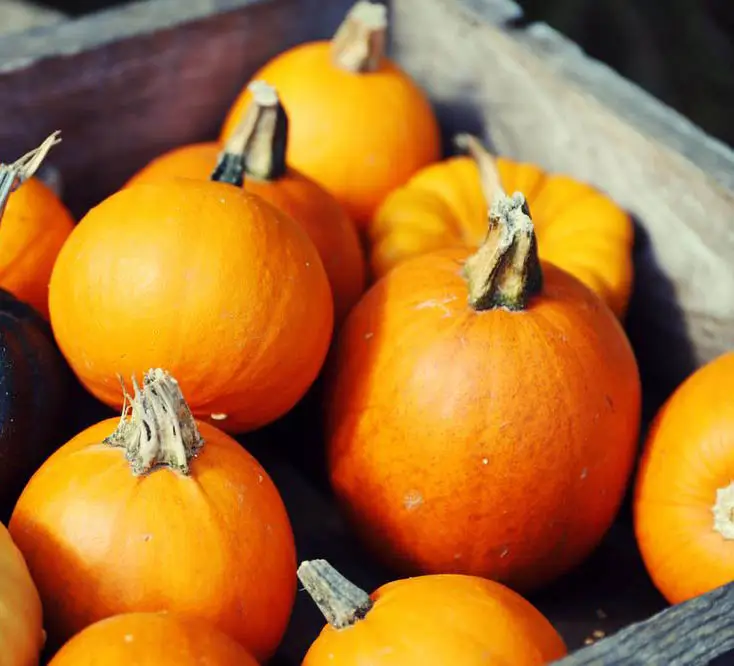
Small Sugar Pumpkin (also called New England Pie Pumpkin) is the classic pie pumpkin, producing small, 5-8 lb fruits with thick, sweet, fine-grained orange flesh – the best variety for homemade pumpkin pie, soups, and purees. It also makes an excellent small decorative pumpkin. Compact vines are manageable for home gardens, and fruits mature in approximately 100-105 days.

At Flying Rabbit Farm, our Small Sugar Pumpkin transplants are grown for strong vines and quality fruit production suited to Austin’s fall growing season.

Care Instructions
Watering
Moderate, consistent water needs through fruit development Reduce watering as fruits approach maturity to harden rinds Drip irrigation preferred
Fertilizing
Balanced organic fertilizer at planting Lower nitrogen, higher potassium at fruit set Side-dress with compost every 3-4 weeks
Pruning & Maintenance
Limit to 2-4 fruits per vine for best size Turn fruits gently for even coloring Hand-pollinate if needed during low pollinator activity Cure at 80-85 F for 10 days after harvest
Common Issues
Squash vine borers Powdery mildew Cucumber beetles Squash bugs Phytophthora blight
Count back approximately 100-105 days from target harvest to determine planting date For Halloween: plant by late June-early July Fall planting (July) strongly preferred to reduce vine borer pressure Cure after harvest; stores up to 3 months in cool, dry conditions
Seasonal Notes
Spring
Plant March-April; squash vine borers are a significant challenge
Summer
Avoid midsummer planting; extreme heat stresses young plants
Fall
Preferred season; plant in July for October-November harvest Cooler fall weather dramatically improves fruit quality
Best Time to Plant in Austin
Fall planting: Late June-late July (target Halloween harvest) Spring planting: March-April (less ideal due to vine borers) Ideal soil temperatures: 65-85 F
Sun Requirements
Full sun Minimum 6-8 hours daily
Spacing
24-36 inches apart; rows 6-8 feet apart
Soil
Well-draining, fertile soil Compost-amended beds preferred pH 6.0-6.8
Watering After Planting
Water deeply at transplanting Consistent moisture through vine development and fruit set
Corn Beans Nasturtiums Marigolds Borage Dill Radish Oregano
Pumpkin flesh and seeds are generally considered non-toxic to: Dogs Cats Horses Cooked or plain canned pumpkin is often recommended for digestive health in dogs and cats. Avoid pumpkin with added spices or sweeteners. Raw rind in large amounts may cause digestive upset.


Login