Plant pickup: Thursdays 3–7pm · Also by appointment 512.348.7570

— · Texas-Grown

Rosemary, Tuscan Blue

$3.00


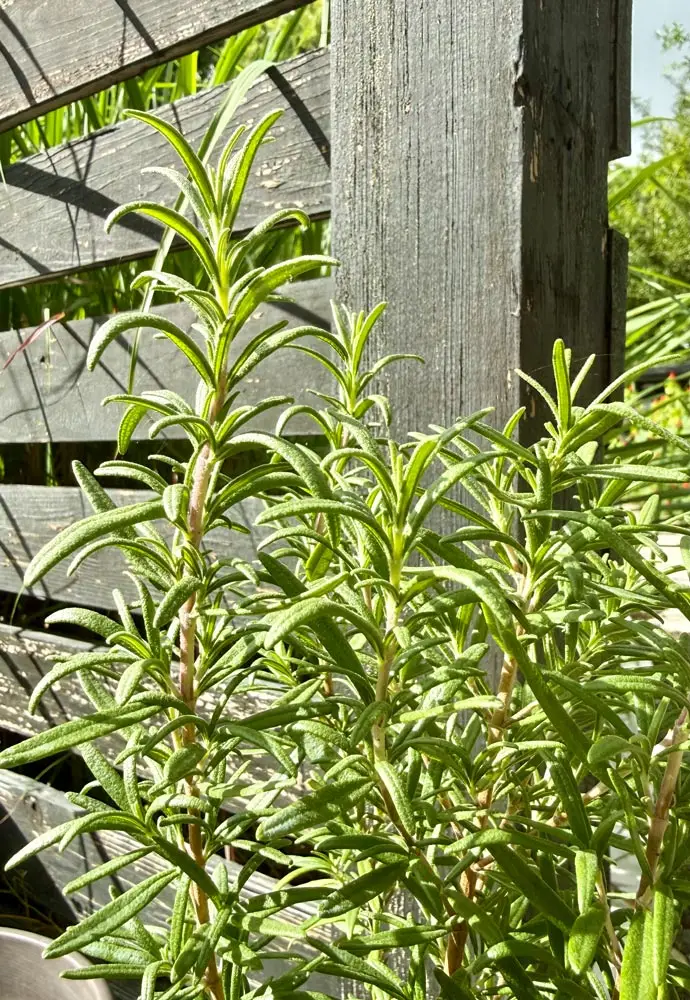
Tuscan Blue Rosemary (Salvia rosmarinus ‘Tuscan Blue’) is an upright, vigorous rosemary selection producing bold, intensely aromatic, broad leaves and vivid blue-purple flowers. One of the finest and most flavorful rosemary varieties for culinary use, it also grows into a striking, formal shrub reaching 4-6 feet tall and wide – excellent as a hedge, specimen plant, or backdrop in the herb garden.

At Flying Rabbit Farm, our Tuscan Blue Rosemary transplants are grown for strong root development and excellent heat and drought performance suited to Central Texas.

Out of stock

Care Instructions
Watering

Low water needs once established
Extremely drought-tolerant
Overwatering is the primary cause of failure
Allow soil to dry fully between waterings

Fertilizing

Minimal fertilizing needed
Light application in early spring if growth is weak
Excess fertility reduces essential oil concentration and flavor

Pruning & Maintenance

Shear lightly after flowering to maintain shape
Do not cut into old, woody growth
Provides minimal to no cold protection needed in Austin

Common Issues

Root rot and crown rot in heavy or waterlogged soils
Powdery mildew in high humidity
Spittlebugs (cosmetic; rarely serious)

Excellent long-lived perennial for Austin given proper drainage; can grow for decadesAmend Austin clay heavily or plant in raised beds
Tuscan Blue grows larger than many rosemaries; give it space
Prune lightly to maintain shape; never cut into old wood

Seasonal Notes
Spring

Primary bloom period; blue-purple flowers very showy
Excellent time to harvest for culinary use

Summer

Very heat and drought-tolerant; minimal care needed

Fall

Some rebloom possible; excellent planting window

Winter

Evergreen; very cold-hardy; may rebloom on warm days

Best Time to Plant in Austin

Fall (preferred) or springIdeal soil temperatures: 55-70 F

Sun Requirements

Full sunMinimum 6-8 hours daily; excellent airflow essential

Spacing

3-5 feet apartAllows for mature size (4-6 feet tall and wide)

Soil

Well-draining, lean to moderately fertile, alkaline-to-neutral soil
Does not tolerate clay without significant amendment
Amend heavily with coarse sand and grit

Watering After Planting

Water thoroughly at planting
Moderate moisture for first 4-6 weeks; reduce once established

  • Lavender
  • Thyme
  • Sage
  • Oregano
  • Gaillardia
  • Echinacea
  • Yarrow
  • Salvia

Rosemary is generally considered non-toxic to:

  • Dogs
  • Cats
  • Horses

However:Concentrated rosemary oil may cause skin irritation or neurological effects.

Large quantities of fresh rosemary may cause mild digestive upset.

Consult a veterinarian if significant ingestion occurs.

You might also like


Login