Plant pickup: Thursdays 3–7pm · Also by appointment 512.348.7570

— · Texas-Grown

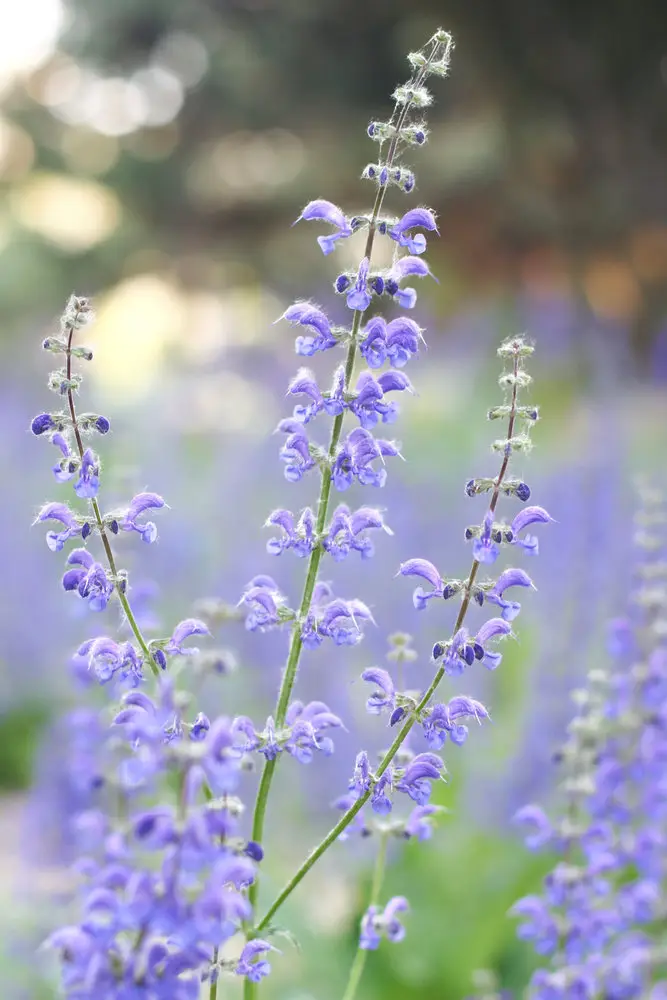
Salvia, Mealy Blue Sage

$10.00


Mature Plant Size: 2-3’x1.5-2′

Mealy Blue Sage (Salvia farinacea) is a Texas native perennial prized for its upright spikes of velvety violet-blue flowers on silvery, powdery (“mealy”) stems above sage-scented gray-green foliage. It blooms in spring, summer, and fall, handles heat and rocky soils with ease, and draws bees and butterflies. Deer leave it alone.

Our Mealy Blue Sage transplants are grown for compact, well-branched growth and heavy bloom production suited to Austin borders and containers.

2 in stock

Care Instructions
Watering

Low water needs once established
Overwatering encourages floppy growth and mildew

Fertilizing

No fertilizer needed

Pruning & Maintenance

Shear back by one-third after the first flush to encourage rebloom
Cut back to 6 inches in late winter
Remove spent flower spikes

Common Issues

Powdery mildew in humid or crowded conditions
Root rot in wet soil
Flopping in rich soil or shade

Sources list hardiness for USDA Zones 8-10 with very high heat tolerance, which suits Austin
Mass plantings give the strongest display; plants return reliably from the roots most years
Shear lightly in midsummer if the planting looks tired

Seasonal Notes
Spring

New growth emerges in March; first major bloom flush in late spring

Summer

Bloom continues through heat; deadhead to prolong flowering

Fall

Reblooms strongly as nights cool

Winter

May die back after a hard freeze; cut back in late winter

Best Time to Plant in Austin

Fall (preferred) or spring
Ideal soil temperatures: 60-85 F

Sun Requirements

Full sun to light shade
Minimum 6 hours daily for best bloom

Spacing

18-24 inches apart
Allows for mature size (2-3 feet tall, 1.5-2 feet wide)

Soil

Well-draining soil; tolerates dry, rocky soil
Does not tolerate wet feet
pH 6.5-8.0

Watering After Planting

Water at planting
Water weekly for the first 4-6 weeks
Reduce once established

  • Gulf Muhly
  • Pink Autumn Sage
  • Gaillardia / Blanket Flower
  • Black-Eyed Susan
  • Texas Lantana
  • Yarrow

Mealy Blue Sage (Salvia farinacea) is not commonly listed by the ASPCA toxicity database, so no verdict is available either way. The ASPCA lists scarlet sage (Salvia coccinea) and common sage (Salvia officinalis) as non-toxic to dogs, cats, and horses, but that does not confirm other Salvia species. Keep an eye on pets around any unlisted plant and discourage grazing.

You might also like


Login

Help us Grow!