Plant pickup: Thursdays 3–7pm · Also by appointment 512.348.7570
— Plant Nursery · Texas-Grown
$12.00
Mature Plant Size: 4-6’x4-6′
Fruit: 1/2″ round, apple-like berries (white to red); edible and eaten by birds
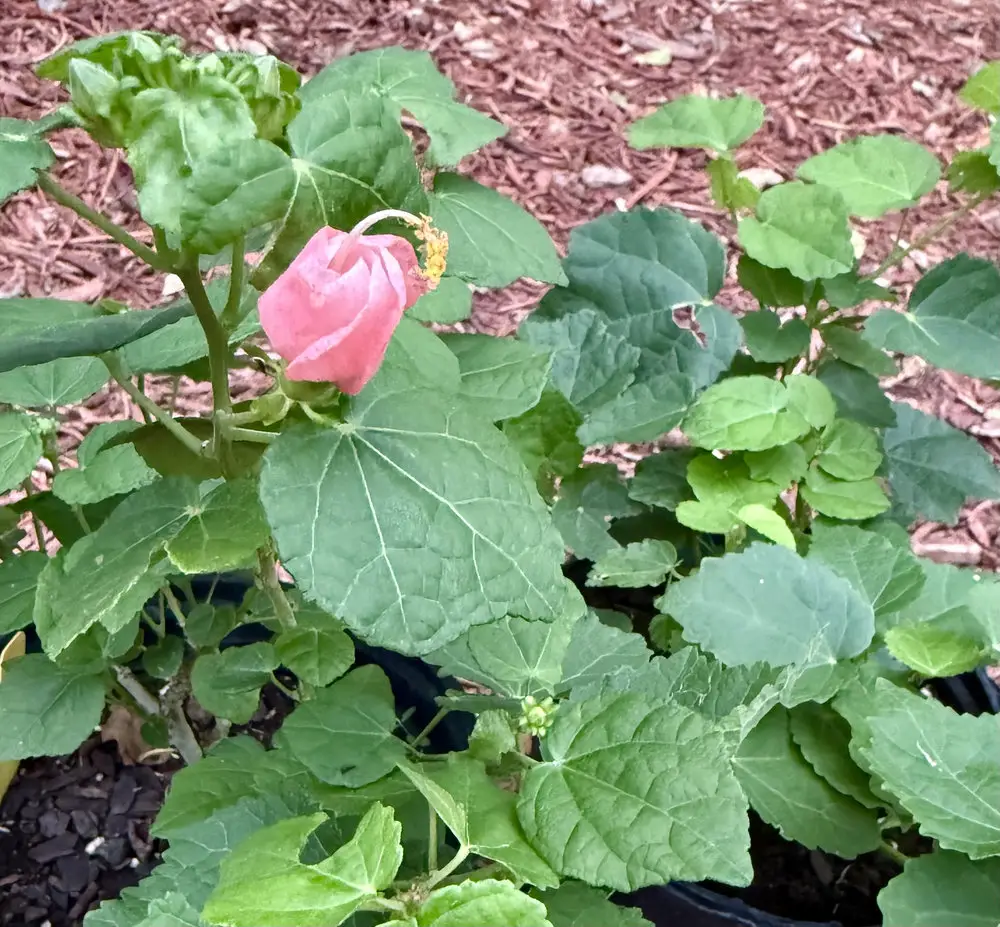
Pink Turk’s Cap (also sold as ‘Pam Puryear’) is a Greg Grant selection named for Texas plant enthusiast Pam Puryear. It bears soft, cotton-candy pink blooms from late spring through fall, with petals that never fully open, against dark green, heart-shaped foliage. Its pale color glows in dappled shade, and hummingbirds, butterflies, and bees love it.
At Flying Rabbit Farm, our Pink Turk’s Cap transplants are grown for vigorous growth and long bloom suited to Austin’s shade and part-shade beds.
2 in stock
Drought tolerant once established; water during extended dry spells and avoid overwatering
Little to no fertilizer needed
Cut back or shape in early February, before it re-leafs
Trim lightly through summer if it gets leggy
In full sun, plants may look wilted by day’s end and leaves can turn rough and puckered; afternoon shade helps
May self-seed from its fruit
Freeze hardy in Austin; it dies to the ground after a hard freeze and returns each spring
Growers rate it somewhat more cold hardy than the large tropical Turk’s cap
Sources list a wide size range, from 2 to 6 feet tall, with a spread up to 8 feet; in Austin expect a full, broad shrub in a few seasons
Prune before it leafs out; blooms begin in May
Steady bloom; afternoon shade keeps leaves fresh
Blooms through November until first frost; berries ripen
Dies back to the ground after a hard freeze; roots are hardy
Spring through fall, avoiding the height of summer heat and hard freezes
Ideal soil temperatures: 65-85 F
Morning sun with afternoon shade is ideal; tolerates full shade well
4-6 feet apart
Well-draining, moderately fertile soil; tolerates clay and limestone
Water deeply at transplanting
Irrigate regularly until fully established
Pink Turk’s Cap (a Malvaviscus selection) is not commonly listed by the ASPCA toxicity database, so no verdict is available either way. The fruit is described by growers as edible and is eaten by birds and mammals. As a general precaution, keep an eye on pets around any unlisted plant and discourage grazing.