Plant pickup: Thursdays 3–7pm · Also by appointment 512.348.7570

— · Texas-Grown

Zinnias, Northern Lights

$4.00


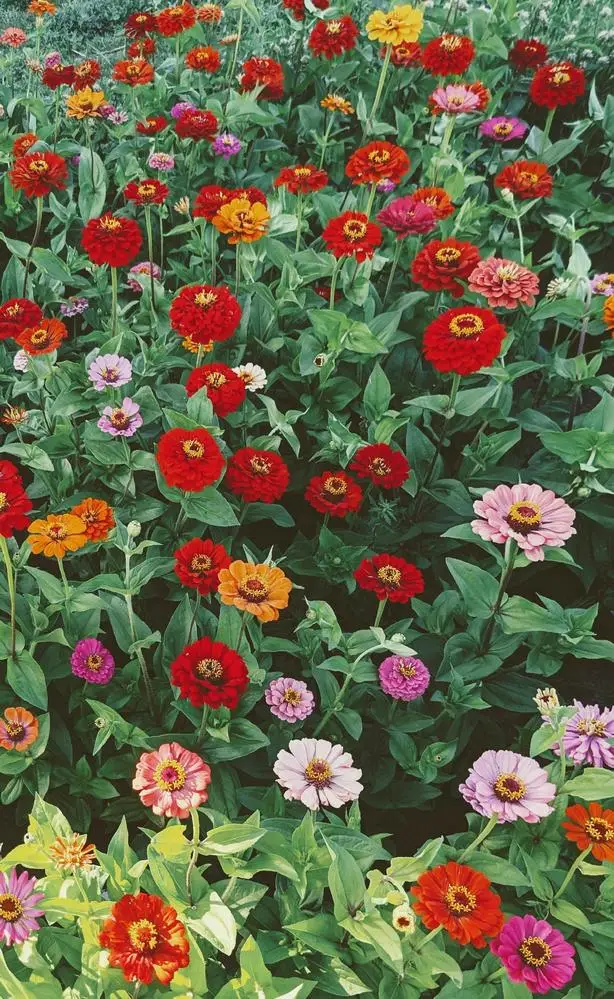
Zinnias ‘Northern Lights’ are a large-flowered zinnia series known for producing giant, fully double blooms on tall, sturdy stems in a wide palette of soft pastels and rich jewel tones – lavender, peach, cream, rose, and deep purple among them. Their unusual color range sets them apart from typical zinnias. They are exceptional cut flowers and superb pollinator plants that flourish in Central Texas heat.

At Flying Rabbit Farm, our Zinnia Northern Lights transplants are grown for strong stems and outstanding cut flower and pollinator garden performance.

Care Instructions
Watering
Moderate water needs Deep watering 1-2 times weekly once established
Fertilizing
Light monthly feeding with balanced organic fertilizer Excess nitrogen reduces blooming
Pruning & Maintenance
Deadhead spent flowers regularly to prolong blooming Pinch young plants for bushier growth Harvest cut flowers regularly to stimulate new bloom production
Common Issues
Powdery mildew Aphids Spider mites in drought conditions
Mulch during peak summer heat Water at the base to reduce powdery mildew risk Successive plantings every 3-4 weeks extend blooms Tall stems make Northern Lights particularly valuable as cut flowers
Seasonal Notes
Spring
Transplant after last frost; fast growth in warming soil
Summer
Thrives in summer heat with regular deadheading
Fall
Continues flowering until frost; excellent late-season pollinator support
Best Time to Plant in Austin
Early spring through late summer Ideal soil temperatures: 70-85 F
Sun Requirements
Full sun Minimum 6-8 hours daily
Spacing
12-18 inches apart Allow airflow to reduce powdery mildew
Soil
Well-draining soil Moderately fertile Compost-amended beds preferred
Watering After Planting
Water deeply immediately after transplanting Keep soil evenly moist until established Avoid overhead watering
Basil Tomatoes Peppers Cosmos Marigolds Sunflowers Echinacea Dill Cucumbers
Zinnias are generally considered non-toxic to: Dogs Cats Horses However: Mild stomach upset may occur if consumed in large amounts. Avoid use of chemical pesticides or fertilizers around pets.


Login