Plant pickup: Thursdays 3–7pm · Also by appointment 512.348.7570

— · Texas-Grown

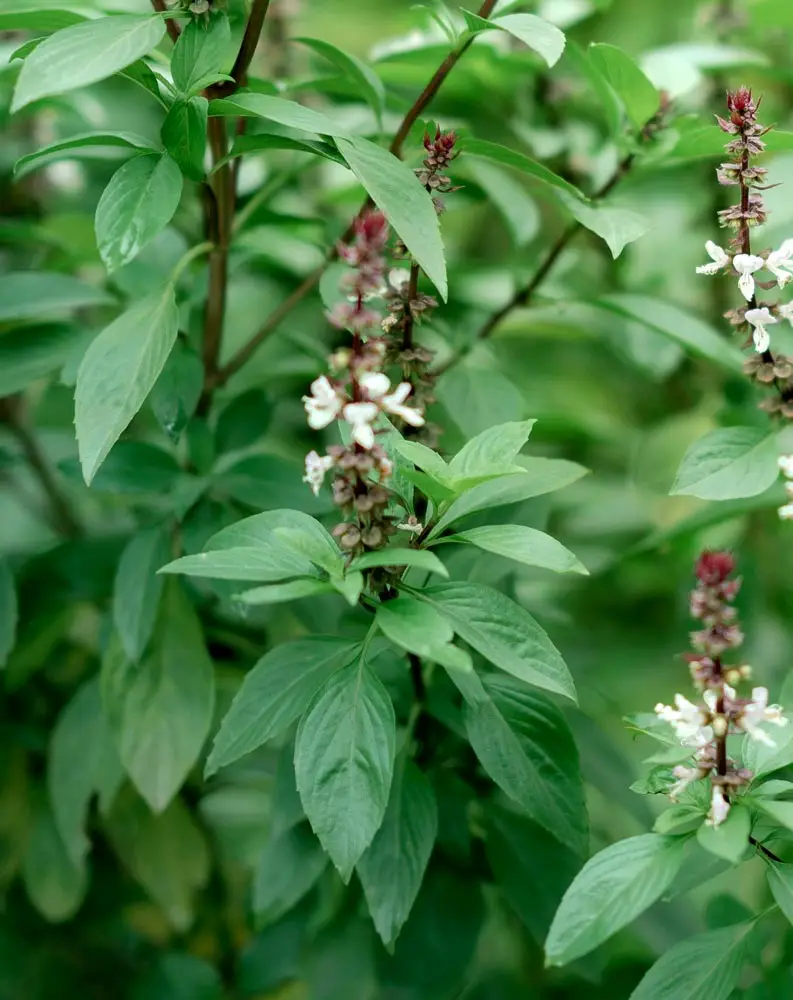
Basil, Sweet Thai

$4.00


Sweet Thai Basil is a fragrant culinary herb prized for its anise-clove flavor and beautiful purple stems and flowers. It is a staple in Southeast Asian cooking and makes a stunning addition to herb gardens, container plantings, and pollinator beds. More heat-tolerant than Italian varieties, it thrives in Central Texas summers without bolting quickly.

At Flying Rabbit Farm, our Sweet Thai Basil transplants are grown for strong root development and vigorous growth suited to Austin’s hot climate.

Care Instructions
Watering
Moderate water needs Deep watering 1-2 times weekly once established
Fertilizing
Light feeding every 3-4 weeks with balanced organic fertilizer Avoid excess nitrogen to maintain flavor
Pruning & Maintenance
Pinch flower heads as they appear to prolong leaf production Harvest regularly from top to encourage bushy growth Remove yellowed leaves promptly
Common Issues
Aphids Fusarium wilt Downy mildew in humid conditions
Mulch around base to retain moisture during summer heat Water at the base to prevent fungal disease Allow soil to dry slightly between waterings Harvest in the morning for best flavor
Seasonal Notes
Spring
Ideal transplant window after last frost (mid-March) Rapid establishment in warming soils
Summer
More heat-tolerant than Italian basil; resists bolting Monitor for aphids during hot, dry stretches
Fall
Production slows as nights cool below 50 F Harvest heavily before first frost
Best Time to Plant in Austin
Spring through early summer Ideal soil temperatures: 65-85 F
Sun Requirements
Full sun Minimum 6-8 hours daily
Spacing
12-18 inches apart Good airflow reduces fungal issues
Soil
Well-draining, fertile soil Compost-amended beds preferred pH 6.0-7.0
Watering After Planting
Water deeply immediately after transplanting Keep soil evenly moist until established Avoid overhead watering when possible
Tomatoes Peppers Eggplant Zinnias Marigolds Squash Borage Carrots
Basil is generally considered non-toxic to: Dogs Cats Horses However: Large quantities may cause mild digestive upset. Avoid use of chemical pesticides or fertilizers around pets.


Login