Plant pickup: Thursdays 3–7pm · Also by appointment 512.348.7570

— · Texas-Grown

Thyme, Creeping – Red

$3.00


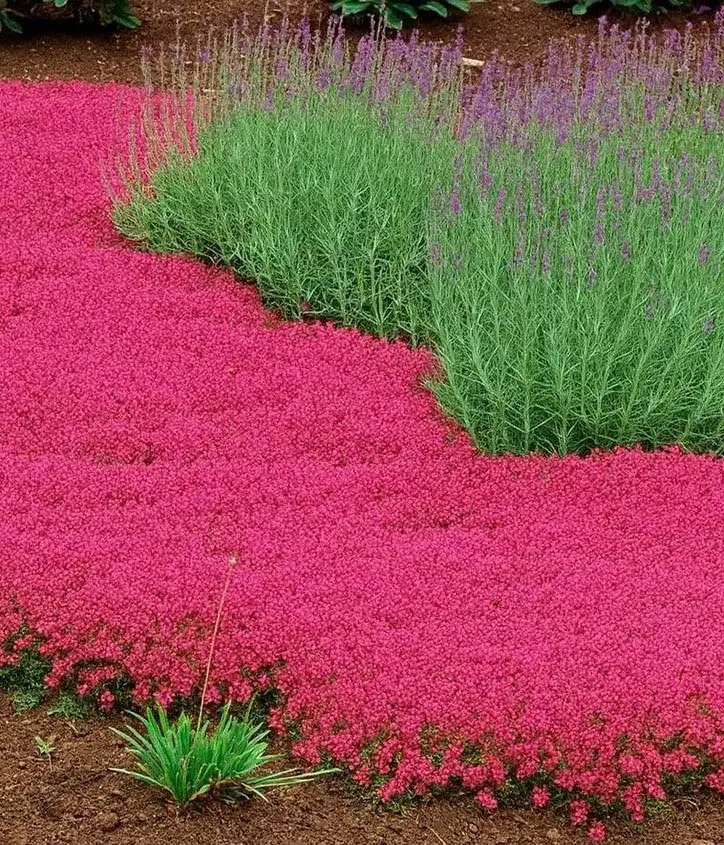
Creeping Red Thyme is a low-growing, mat-forming perennial herb that produces a carpet of tiny, fragrant leaves and masses of small pink-to-crimson flowers in late spring. It excels as a ground cover between stepping stones, along garden edges, and in rock gardens. Highly drought-tolerant once established, it is an outstanding choice for Austin’s challenging summer conditions.

At Flying Rabbit Farm, our Creeping Red Thyme transplants are grown for vigorous spreading habits and excellent heat and drought tolerance.

4 in stock

Care Instructions
Watering

Low water needs once established
Drought-tolerant; overwatering is the primary cause of failure
Water deeply but infrequently

Fertilizing

Minimal feeding needed
Light application of balanced organic fertilizer in early spring
Excess fertility reduces fragrance and essential oil content

Pruning & Maintenance

Shear lightly after flowering to maintain compact shape
Remove woody, dead portions in late winter
Divide clumps every 2-3 years to rejuvenate

Common Issues

Root rot in poorly draining soils
Spider mites during hot, dry weather
Fungal issues in high humidity with poor airflow

Plant in raised beds or sloped areas to ensure drainage in Austin’s clay soils
Amend heavy clay with coarse sand and compost before planting
Mulch lightly; avoid mulch directly against stems
Minimal watering needed after first summer establishment

Seasonal Notes
Spring

Peak bloom period with attractive crimson-pink flowers
Excellent time to divide and transplant

Summer

Goes semi-dormant in extreme heat; reduce watering
Leaf color may intensify in drought stress

Fall

Resumes growth; ideal time for establishment planting

Winter

Evergreen in Austin; may have minor die-back in hard freezes

Best Time to Plant in Austin

Fall through early spring for best establishment
Can also be planted in spring
Ideal soil temperatures: 60-75 F

Sun Requirements

Full sun to partial shade
Minimum 6 hours for best flowering and fragrance

Spacing

6-12 inches apart for ground cover effect
Will spread and fill gaps over time

Soil

Well-draining, lean to moderately fertile soil
Tolerates rocky or sandy soils
Poor drainage causes root rot

Watering After Planting

Water thoroughly at planting
Keep slightly moist until established (2-4 weeks)
Reduce watering once roots are set

  • Rosemary
  • Lavender
  • Sage
  • Oregano
  • Sedum
  • Dianthus
  • Gaillardia
  • Echinacea

Thyme is generally considered non-toxic to:

  • Dogs
  • Cats
  • Horses

However:
Concentrated thyme oil may cause skin irritation.
Consult a veterinarian if large quantities are consumed.

You might also like


Login