Plant pickup: Thursdays 3–7pm · Also by appointment 512.348.7570

— · Texas-Grown

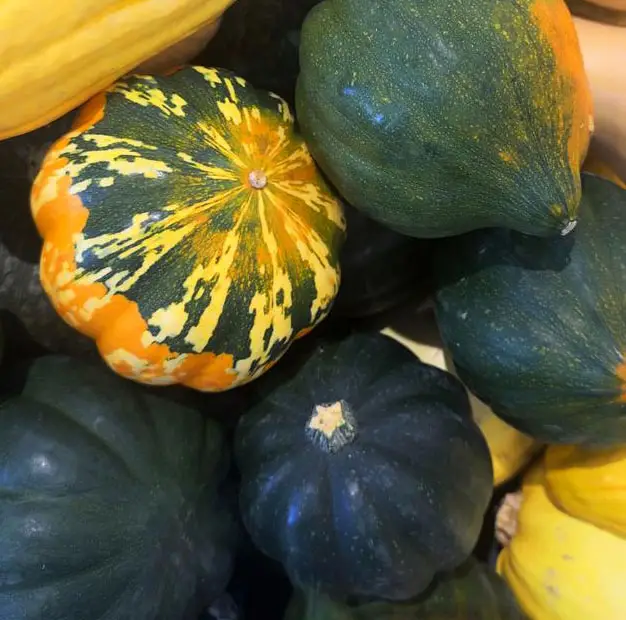
Squash, Table Queen Acorn

$3.00


Table Queen Acorn Squash is the original acorn squash variety, an heirloom dating back to the 1920s, producing dark green, deeply ribbed fruits with sweet, fine-grained, orange flesh ideal for roasting, stuffing, and baking. Compact vines make it suitable for smaller home gardens in Central Texas, where it thrives in both spring and fall plantings.

At Flying Rabbit Farm, our Table Queen Acorn Squash transplants are grown for vigorous vines and reliable fruit production suited to Austin’s growing seasons.

Out of stock

Care Instructions
Watering

Moderate, consistent water needs
Deep watering 2-3 times weekly; reduce as fruits mature
Drip irrigation preferred to reduce foliar disease

Fertilizing

Balanced organic fertilizer at planting
Switch to lower nitrogen, higher potassium at fruit set
Side-dress with compost every 3-4 weeks

Pruning & Maintenance

Remove competing vines to concentrate plant energy
Hand-pollinate if bee activity is low
Cure harvested fruits in a warm, dry location for 1-2 weeks to extend storage life

Common Issues

Squash vine borers (primary threat in Texas)
Cucurbit downy mildew
Powdery mildew
Cucumber beetles
Squash bugs

Fall planting (July-August) often outperforms spring due to vine borer pressure being lower
Use row covers in spring until flowering to exclude vine borers and cucumber beetles
Monitor vines weekly for squash vine borer entry holes at the base
Harvest when skin is hard and stem begins to dry; cure before storing

Seasonal Notes
Spring

Plant March-April; monitor closely for squash vine borers
Harvest approximately 75-80 days from transplant

Summer

Avoid midsummer planting; heat and pest pressure too high

Fall

Plant late July-August for October-November harvest
Cooler fall weather improves quality and reduces disease

Best Time to Plant in Austin

Spring: March-April
Fall: Late July-August (recommended for best quality)
Ideal soil temperatures: 60-85 F

Sun Requirements

Full sun
Minimum 6-8 hours daily

Spacing

24-36 inches apart; rows 5-6 feet apart
Vines spread; allow adequate room

Soil

Well-draining, fertile soil
Compost-amended beds preferred
pH 6.0-6.8

Watering After Planting

Water deeply at transplanting
Keep evenly moist through establishment and fruit development

  • Corn
  • Beans
  • Nasturtiums
  • Marigolds
  • Borage
  • Dill
  • Oregano
  • Radish

Winter squash is generally considered non-toxic to:

  • Dogs
  • Cats
  • Horses

However:
Feed only cooked, unseasoned flesh in small quantities.
Raw rind and seeds may cause digestive upset.

You might also like


Login