Plant pickup: Thursdays 3–7pm · Also by appointment 512.348.7570
— Plant Nursery · Texas-Grown
$3.00
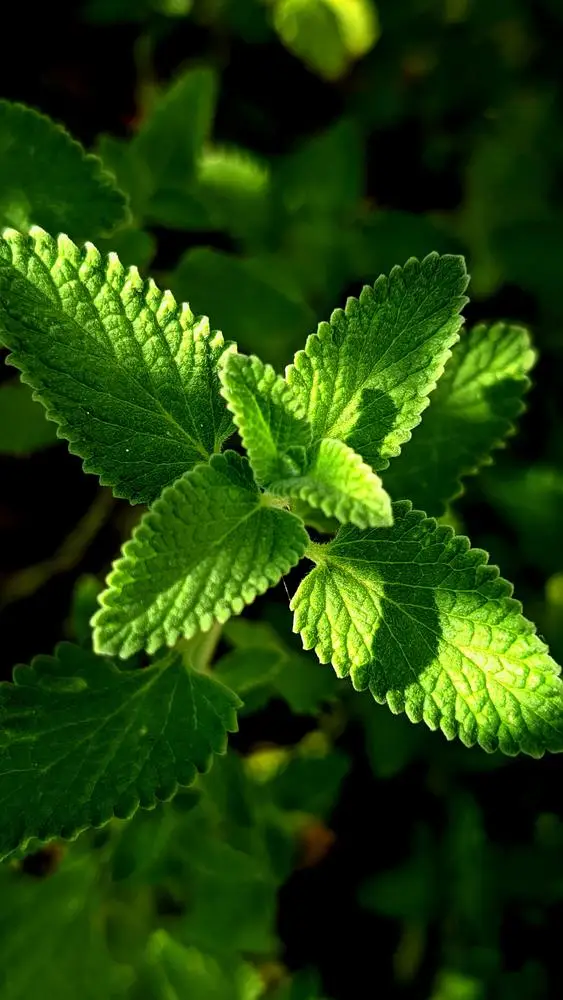
Lemon Balm (Melissa officinalis) is a fragrant perennial herb in the mint family with bright green, lemon-scented leaves used in teas, culinary applications, aromatherapy, and natural medicine. It has a long history of use for stress relief and digestive support. Fast-growing and easy to cultivate, it thrives in Austin’s climate with some afternoon shade in peak summer. It is also a superb pollinator plant.
Out of stock
Moderate water needs
Keep soil evenly moist; more tolerant of moisture than true mints
Reduce in winter
Light feeding in spring with balanced organic fertilizer
Excessive nitrogen reduces essential oil concentration and fragrance
Harvest regularly to encourage fresh growth and prevent flowering
Cut back hard in midsummer if plants become leggy or stressed
Contain by removing self-seeded seedlings or planting in raised beds
Powdery mildew in humid conditions
Mint aphids
Spreads aggressively if not managed
Provide afternoon shade in Austin’s peak summer heat to prevent scorching
Water more frequently in full sun during summer months
Contain spread by dividing annually or planting in buried containers
Dries well for tea; harvest before flowering for best flavor
Rapid growth; excellent time to transplant and divide
Harvest freely once plants are established
May wilt in full afternoon sun during peak heat; afternoon shade helps greatly
Cut back if leggy
Resumes vigorous growth in cooler temps; excellent planting time
Dies back to ground; re-emerges reliably in spring

Fall through spring for best establishment
Can be planted year-round except peak summer
Ideal soil temperatures: 55-75 F
Full sun to partial shade
Afternoon shade recommended in Austin to prevent scorching
18-24 inches apart
Spreads vigorously; consider containing in beds or pots
Well-draining, moderately fertile soil
Tolerates a wide range of soils
pH 6.0-7.5
Water thoroughly at transplanting
Maintain even moisture until established
Lemon Balm is generally considered non-toxic to:
However:
May cause mild sedative effects in cats.
Feed only in very small quantities; monitor for digestive upset.