Plant pickup: Thursdays 3–7pm · Also by appointment 512.348.7570

— · Texas-Grown

Lantana, Yellow

$4.00


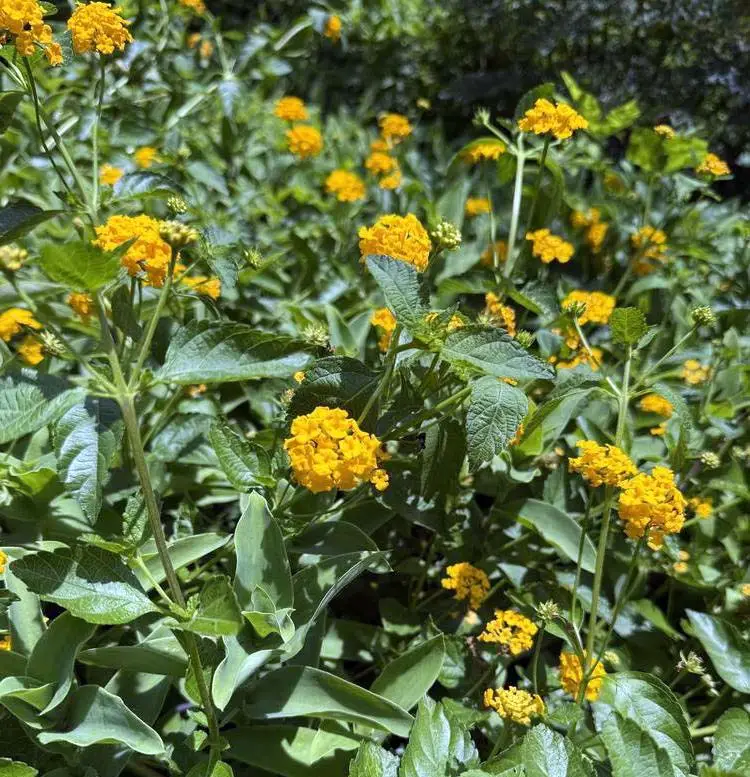
Yellow Lantana is a heat-loving tropical perennial producing clusters of bright golden-yellow flowers continuously from spring through frost. One of the toughest and most reliable plants for Central Texas, it thrives in poor soils, extreme heat, and drought once established. It is a premier butterfly and pollinator plant and a staple of low-maintenance Austin landscapes.

At Flying Rabbit Farm, our Yellow Lantana transplants are grown for strong root systems and outstanding heat and drought performance suited to Central Texas.

Care Instructions
Watering
Low water needs once established Extremely drought-tolerant Occasional deep watering during severe, extended drought
Fertilizing
Minimal fertilizer in typical Austin soils Light feeding in early spring encourages new growth Excess fertility promotes foliage over flowers
Pruning & Maintenance
Prune hard in late winter (February-March) before new growth begins Deadheading is optional; plants bloom freely without it Remove frost-damaged stems after last freeze
Common Issues
Lantana lace bug (most common pest; spray with insecticidal soap) Whitefly Root rot in waterlogged soils
One of the most low-maintenance summer plants for Austin; thrives on neglect Do not plant too early; wait until soil warms and frost risk is past Prune hard each late winter to encourage vigorous new growth and maximum flowering Berries are mildly toxic; keep children and pets away from fruit
Seasonal Notes
Spring
New growth begins after winter pruning; transplant window opens
Summer
Peak bloom; butterfly and pollinator magnet throughout summer heat
Fall
Continues flowering until frost; berries ripen
Winter
May die back in hard freezes; returns from roots in spring
Best Time to Plant in Austin
Spring through early summer after last frost Ideal soil temperatures: 65-80 F
Sun Requirements
Full sun Minimum 6-8 hours daily
Spacing
2-4 feet apart depending on variety Spreading types fill in quickly
Soil
Well-draining, lean to moderately fertile soil Tolerates poor, rocky, or sandy soils Avoid waterlogged conditions
Watering After Planting
Water deeply at transplanting Water weekly until established (4-6 weeks)

Salvia Pride of Barbados Gaillardia Portulaca Yarrow Rosemary Echinacea
Lantana is TOXIC to: Dogs Cats Horses Livestock All parts of the plant are toxic, particularly unripe berries and leaves. Ingestion can cause vomiting, diarrhea, liver failure, and death in severe cases. Keep pets and children away from the plant. Contact a veterinarian immediately if ingestion is suspected.

You might also like


Login