Plant pickup: Thursdays 3–7pm · Also by appointment 512.348.7570
— Plant Nursery · Texas-Grown
$3.00
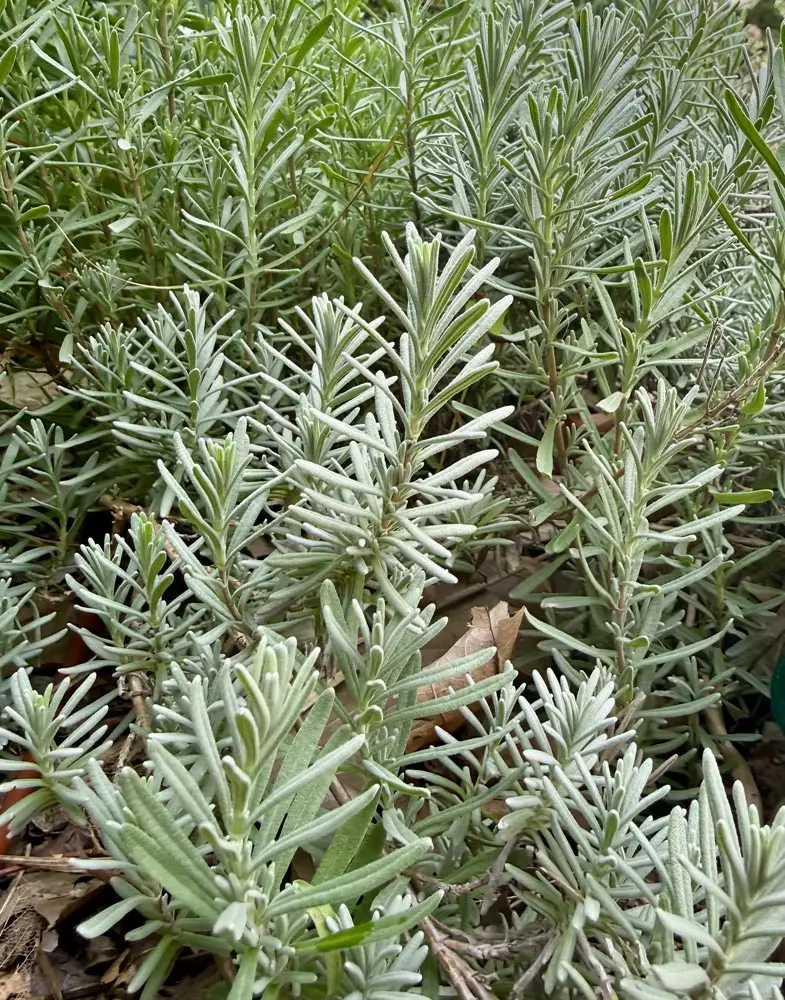
Munstead Lavender (Lavandula angustifolia ‘Munstead’) is one of the oldest and most trusted English lavender cultivars, producing compact mounds of silver-green foliage and abundant lavender-blue flower spikes. Slightly more compact and robust than other English lavender varieties, Munstead is a classic choice for borders, containers, culinary use, dried flowers, and pollinator gardens. It is one of the more adaptable English lavenders for Central Texas with excellent drainage.
At Flying Rabbit Farm, our Munstead Lavender transplants are grown for strong root development and reliable performance in Austin’s challenging climate.

20 in stock
Low water needs once established
Drought-tolerant; overwatering is the primary cause of failure
Allow soil to dry fully between waterings
No supplemental fertilizer needed in lean soils
Light low-nitrogen feed in early spring if growth is poor
Shear by one-third immediately after main flowering
Do not cut into old, woody growth
Replace plants every 4-6 years as they become woody and unproductive
Root rot and crown rot in heavy or poorly draining soils
Bacterial scorch in humid summers
Short-lived in Austin without excellent drainage and siting
Raised beds or slopes with excellent drainage are strongly recommendedGravel mulch around crown is preferable to organic mulch
Fall planting allows establishment before summer heat and humidity
Munstead is considered one of the better-performing English lavenders for Austin’s climate
Main bloom period; harvest flower spikes at peak for drying
Excellent transplanting window
Challenge period; reduce watering sharply; ensure maximum airflow
Resumes growth; best planting window for establishment
Evergreen; very cold-hardy
Fall (October-November preferred) for best establishment
Spring planting also successful with more care
Ideal soil temperatures: 55-65 F
Full sun
Minimum 6-8 hours daily; excellent airflow critical
18-24 inches apart
Promoting airflow is essential for disease prevention in Austin’s humidity
Well-draining, alkaline to neutral, lean soil
Amend Austin clay heavily with coarse sand and grit
Avoid composted organic amendments; high fertility reduces longevity
Water at planting; moderate moisture for first 4-6 weeks
Reduce significantly once established
Lavender is considered mildly toxic to:
Ingestion may cause nausea, vomiting, or loss of appetite.
Lavender essential oil is more concentrated and more toxic than the plant itself.
Contact a veterinarian if ingestion occurs.