Plant pickup: Thursdays 3–7pm · Also by appointment 512.348.7570

— · Texas-Grown

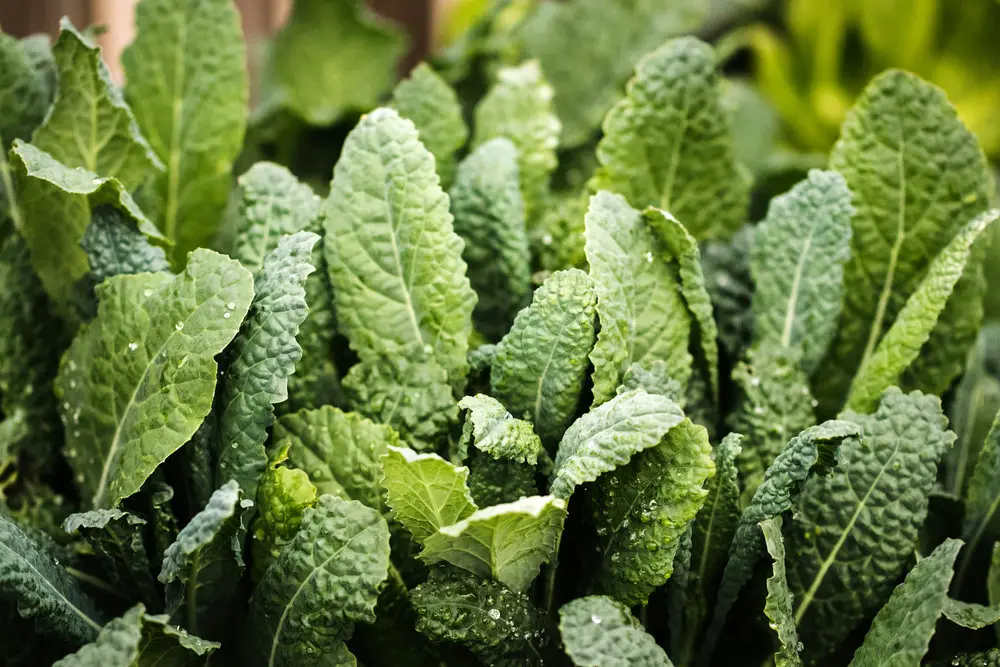
Kale, Toscano Dinosaur

$3.00


Mature Plant Size: 18-24″x12-18″
Days to Harvest: 55-65 days

Toscano (Lacinato) Kale, also known as Dinosaur Kale, is an Italian heirloom prized for its long, deeply savoyed, near-black-green leaves and rich, slightly sweet flavor. A staple of ribollita and other classic Tuscan dishes.

At Flying Rabbit Farm, our Toscano Kale transplants are grown for strong upright habit and reliable production through Austin’s cool season.

3 in stock

Care Instructions
Watering

Moderate, consistent watering
More drought tolerant than lettuce once established

Fertilizing

Feed every 3-4 weeks with balanced organic fertilizer for continued leaf production

Pruning & Maintenance

Harvest outer leaves continuously, leaving the center to keep producing

Common Issues

Cabbage worms and loopers
Aphids
Flavor improves and sweetens after a light frost

Fall is the primary and most reliable kale season in Austin; sweetens noticeably after the first frost
One of the more upright, less sprawling kales, making it good for tighter garden spacing

Seasonal Notes
Fall

Primary planting window; grows steadily as temperatures cool

Winter

Excellent cold tolerance; continues producing through frost and light freezes

Spring

Continues from fall plantings until bolting; can also be planted fresh for a shorter run

Summer

Bolts and turns bitter in heat; not recommended

Best Time to Plant in Austin

Fall (September-October) is the primary window; can also be planted in early spring
Ideal soil temperatures: 45-75 F

Sun Requirements

Full sun to part shade
Minimum 5-6 hours daily

Spacing

12-18 inches apart

Soil

Well-draining, fertile soil
Compost-amended beds preferred
pH 6.0-7.5

Watering After Planting

Water deeply at transplanting
Keep evenly moist until established

  • Onions
  • Cabbage
  • Beans
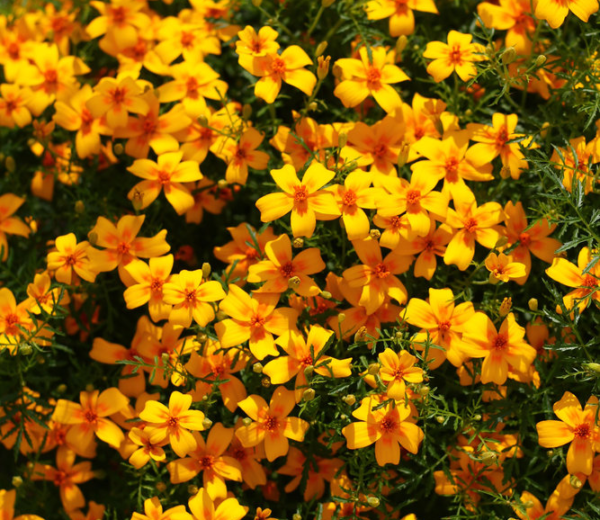
  • Marigold
  • Nasturtium

Kale is generally considered non-toxic to:

  • Dogs
  • Cats
  • Horses

Large quantities fed regularly are best avoided due to its thyroid-affecting compounds, but occasional small amounts are safe.

You might also like


Login

Help us Grow!