Plant pickup: Thursdays 3–7pm · Also by appointment 512.348.7570

— · Texas-Grown

Flame Acanthus, Orange

$4.00


Mature Plant Size: 3-5’x3-4′

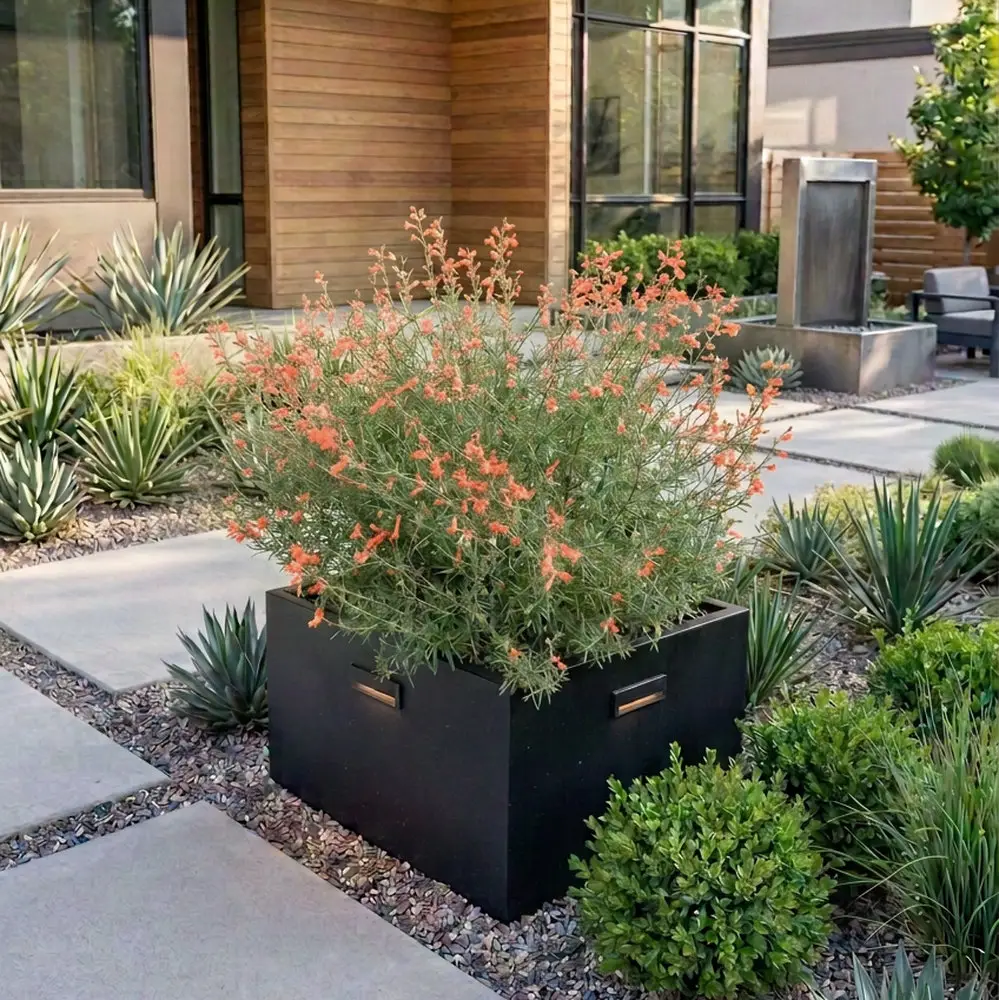
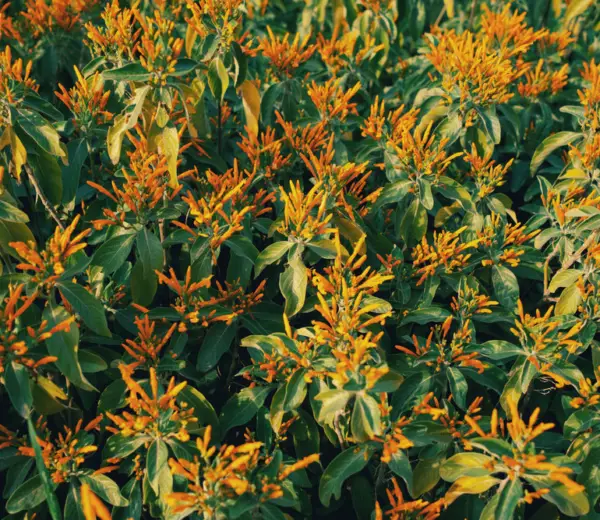
Flame Acanthus (Anisacanthus quadrifidus var. wrightii) is a Texas native shrub also known as Hummingbird Bush, producing masses of narrow, bright orange tubular blooms from early summer through frost. Its open, airy, deciduous form and exfoliating bark give it four-season structure even when not in flower.

At Flying Rabbit Farm, our Flame Acanthus transplants are grown for vigorous branching and heavy bloom production suited to Austin’s hummingbird and pollinator gardens.

8 in stock

Care Instructions
Watering

Low water needs once established; drought tolerant

Fertilizing

Little to no fertilizer needed

Pruning & Maintenance

Prune only after flowering to avoid removing current-season buds, or cut back hard in late winter to manage size and shape
Is late to leaf out in spring — do not assume winter dieback means the plant has died

Common Issues

Generally pest- and disease-free; occasional aphids or spider mites
Self-seeds moderately; thin volunteer seedlings as needed

A reliable, low-maintenance native shrub for Austin’s heaviest clay and rockiest limestone soils
One of the best hummingbird plants for Central Texas, blooming continuously from early summer through the first hard freeze

Seasonal Notes
Spring

Slow to leaf out; be patient before assuming winter damage

Summer

Peak bloom season; hummingbirds and butterflies in constant attendance

Fall

Continues blooming until first frost (mid-November)

Winter

Deciduous; may die back to the ground in a hard freeze but is reliably root-hardy in Zone 8b

Best Time to Plant in Austin

Spring through fall, avoiding the height of summer heat and hard freezes
Ideal soil temperatures: 65-85 F

Sun Requirements

Full sun to part shade
Minimum 6 hours daily

Spacing

3-4 feet apart

Soil

Well-draining soil; tolerates poor, rocky, caliche, or clay soils
pH 6.0-7.5

Watering After Planting

Water deeply at transplanting
Water regularly for the first growing season to establish roots, then reduce

  • Salvia Greggii
  • Lantana
  • Turk’s Cap
  • Zexmenia

Flame Acanthus is not commonly listed by the ASPCA toxicity database, so no verdict is available either way. As a general precaution, keep an eye on pets around any unlisted plant and discourage grazing.

You might also like


Login

Help us Grow!